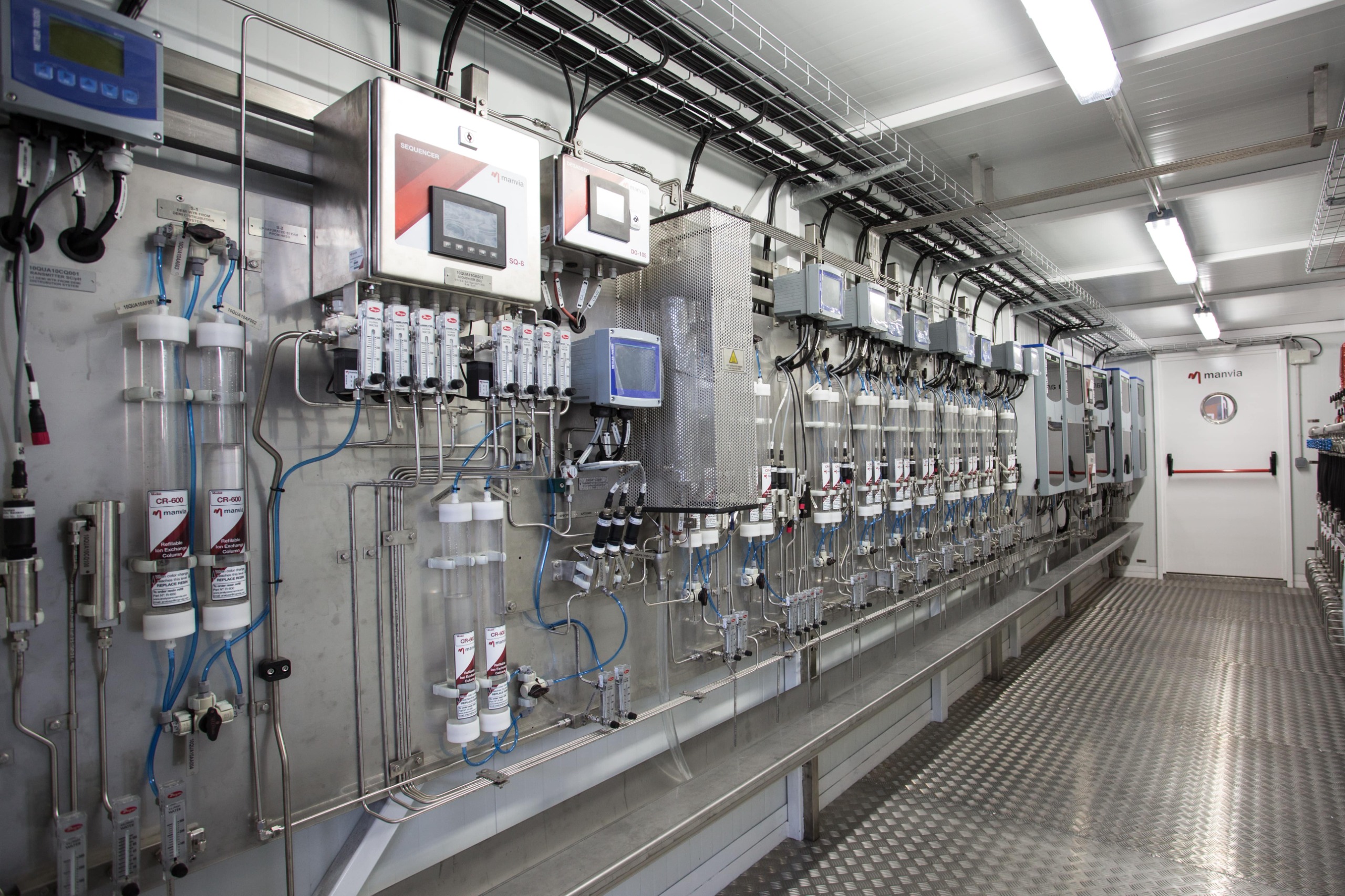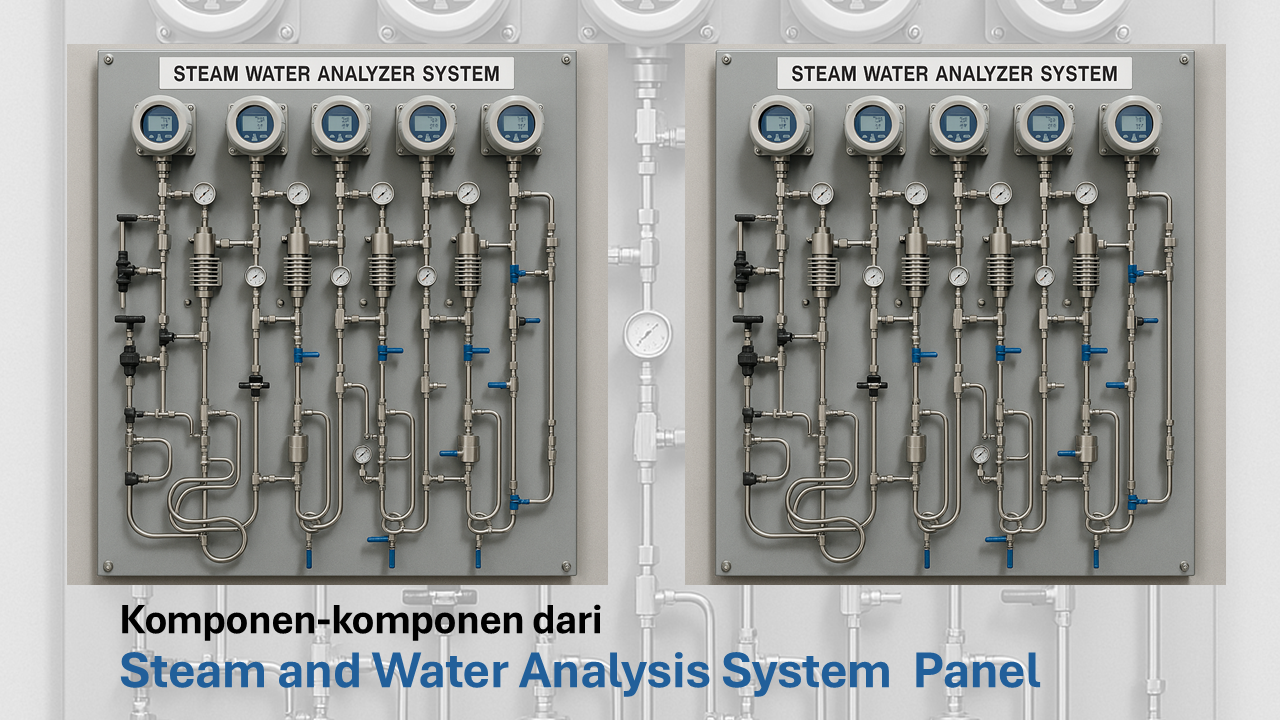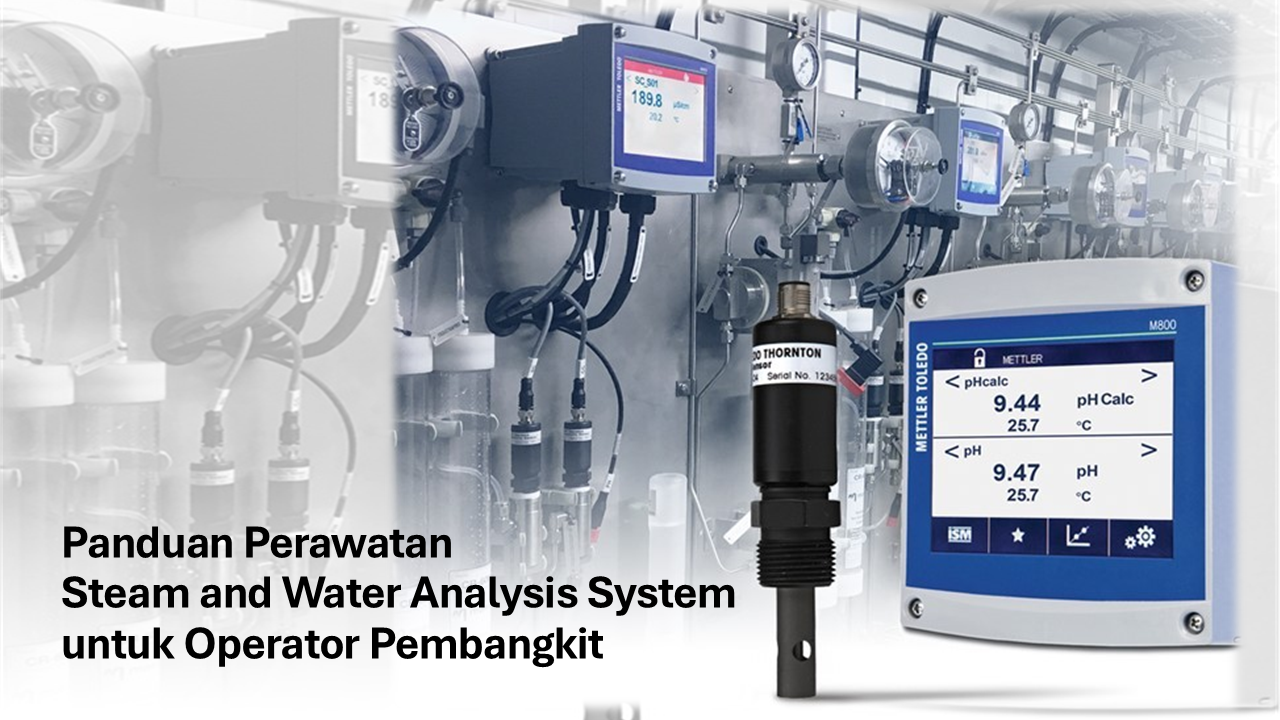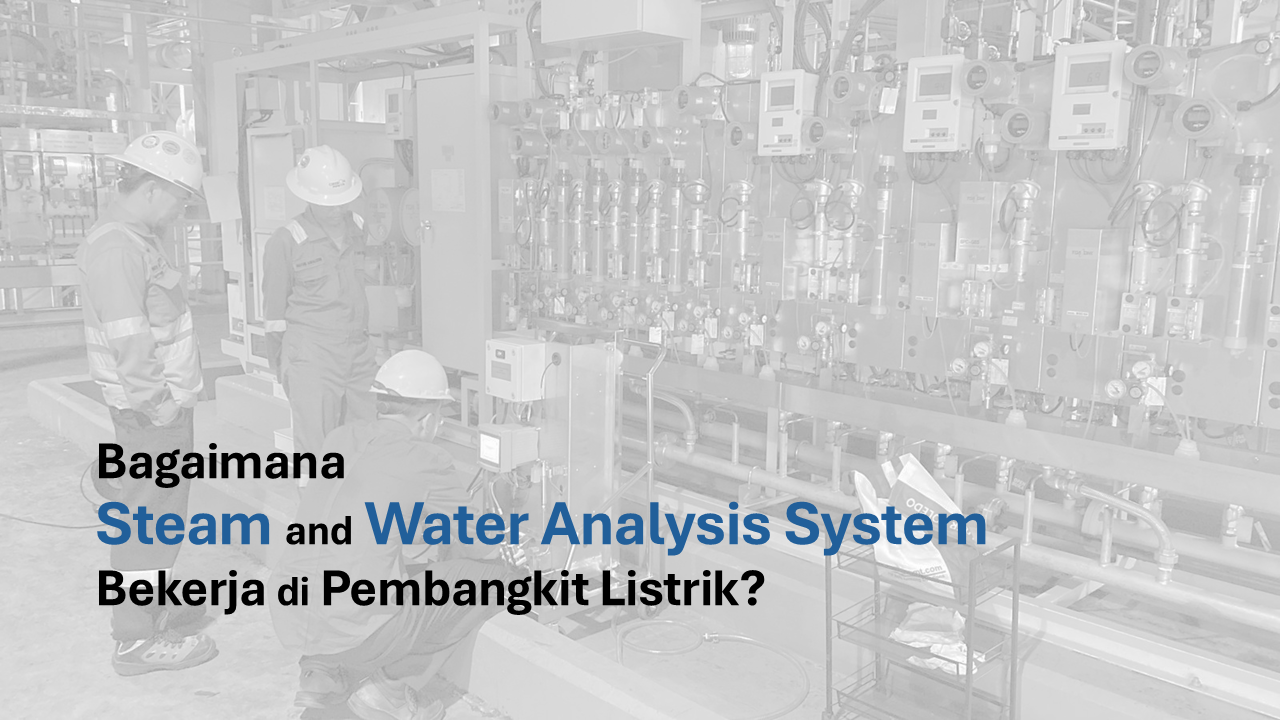
In the power generation industry, steam and water are the primary media in the energy generation process. However, poor steam and water quality can cause serious problems, ranging from corrosion and scale buildup to permanent damage to turbines and boilers. To prevent this, a Steam and Water Analysis System (SWAS) is used, a real-time monitoring system that ensures steam and water quality remains within safe limits.
How SWAS Works
Simply put, SWAS works by taking steam or water samples from various process points and then analyzing them using specialized instruments. The results of this analysis provide important information regarding the chemical condition and purity of the fluid within the system.
The process can be explained in the following steps:
1. Sampling
Steam or water samples are taken directly from the process line, such as boiler feedwater, condensate, and main steam. Because samples are typically at high temperatures and pressures, this step is crucial for obtaining representative data.
2. Sample Conditioning Unit (SCU)
Samples entering the instrument must first pass through the Sample Conditioning Unit (SCU). This unit functions to:
- Reduce the pressure to ensure safe analysis.
- Stabilize the temperature within the instrument's range.
- Filter particles for more accurate measurement results.
3. Parameter Analysis
After passing through the SCU, the sample is tested by various analytical instruments, including:
• pH Analyzer → Determines the acidity or alkalinity of the water.
• Conductivity Analyzer → Measures dissolved ion content.
• Dissolved Oxygen Analyzer → Detects dissolved oxygen levels that can trigger corrosion.
• Silica Analyzer → Measures silica content, which is harmful to turbines.
• Sodium Analyzer → Detects leaks from the demineralization system or condenser.
4. Monitoring and Alarms
Measurement results are displayed on the SWAS panel and can be connected to the main control system (DCS/SCADA). If any parameter exceeds the threshold, the system will issue an alarm so operators can immediately take corrective action.
5. Process Control
Data obtained from the SWAS is used to regulate water chemistry processes, such as the addition of anti-corrosion chemicals or the demineralization process. This ensures that steam and water quality are always maintained according to standards.
Why is SWAS Important?
- Equipment Protection: Prevents serious damage to boilers and turbines.
- Operational Efficiency: Maintains optimal power generation processes.
- Cost Savings: Reduces the risk of major repairs due to corrosion or scale.
- Safety: Avoids potential accidents due to technical failures.
The Steam and Water Analysis System (SWAS) operates systematically: from sampling and conditioning to parameter analysis, to providing early warnings for quality deviations. With continuous monitoring, the SWAS is at the forefront of maintaining the reliability, efficiency, and safety of power plants.